“Instructions for Use” by Arlene Demaris includes poems expressing both tenderness and an edge, something very human and very real.
Poets and Poems: Christy Lee Barnes and “Commodore Rookery”
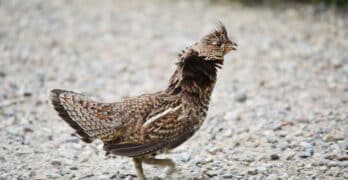
In her new chapbook, “Commodore Rookery,” Christy Lee Barnes uses poetry to navigate motherhood in unexpected ways.
Poets and Poems: Bradford Skow and “American Independence in Verse”

In “American Independence in Verse,” Bradford Skow draws upon historical documents for poems that illustrate the run-up to revolution.
Poets and Poems: David Livewell and “Pass and Stow”
In “Pass and Stow,” poet David Livewell describes the layers of people and events that together compose a life.
Poets and Poems: Fanny Howe and “This Poor Book”
In her final poetry work, Fanny Howe accounted for her life by using her poetry collections as a biography and memoir.
Poets and Poems: Erin Murphy and “Swoon”

In “Swoon: New & Selected Poems,” Erin Murphy combines stories about a life with poems about poetry, showing life is poetry.
Poets and Poems: Diane Lockward and “The Color Wheel”
“The Color Wheel,” edited by Diane Lockward, shows how the use of color can amplify a poem and even exist as a poem.
Poets and Poems: Joanne Esser and “Nothing Is Stationary”
In “Nothing Is Stationary: Poems,” Joanne Esser reflects carefully and succinctly on the impermanence of life.
Poets and Poems: Angela Alaimo O’Donnell and “The View from Childhood”

In “The View from Childhood,” poet Angela Alaimo O’Donnell looks back candidly and lovingly at her childhood and family.
Poets and Poems: Ayala Zarfijian and “A Corner in the World”
In “A Corner of the World: Poems for My Father,” Ayala Zarfjian memorializes those lost in the Holocaust with both grief and hope.
Poets and Poems: Julia Alvarez and “Visitations”
In “Visitations: Poems,” Julia Alvarez looks back on her life in the Dominican Republic and New York with candor and a clear eye.
Poets and Poems: Fred Chappell and “Ever After”
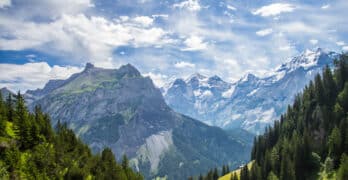
“Ever After,” Fred Chappell’s last poetry collection, is consistent with his other poetry and fiction, focusing on family and meaning.
Poets and Poems: Baruch November and “The Broken Heart is the Master Key”
The poems of “The Broken Heart is the Master Key” by Baruch November show the continuing echo and influence of Yiddish culture.
Poets and Poems: Sr. Sharon Hunter and “Light Before the Sun”
In “Light Before the Sun: Poems,” Sr. Sharon Hunter explores family, dysfunction, and beauty to find resolution and understanding.
Poets and Poems: D.S. Martin and “The Role of the Moon”
In “The Role of the Moon,” poet D.S. Martin pays tribute to the metaphysical poets, creating new poems inspired by 17th century poets.
Poets and Poems: Catherine Lawton and “Where All Things Meet, Mirror & Mingle”
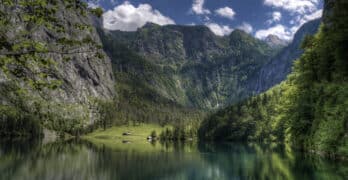
In “Where All Things Meet, Mirror & Mingle,” poet Catherine Lawton fully integrates faith and life into a cohesive whole.
Poets and Poems: Emily Bright and “This Ground Beneath Our Feet”

In “This Ground Beneath Our Feet,” poet Emily Bright explores what grounds our relationships and our lives.
Poets and Poems: Tobi Alfier and “Goodbye Kisses”
“Goodbye Kisses: Poems” by Tobi Alfier explores the aftermath of broken relationships and the aftermath of heartbreak.
Poets and Poems: Nikki Grimes and “Twice Blessed”

“Twice Blessed” by poet Nikki Grimes tells stories of the items deposited in and sold by secondhand store and yard sales.
Poets and Poems: Alexander Voloshin and “Sidetracked”

Alexander Voloshin published one major poetry work, an epic poem about the Russian Revolution, emigres, and Hollywood entitled “Sidetracked.”