In “Go Forth: Lose Yourself into Life,” poet Gabrielle Myers used the poetry of the natural landscape to understand relationship loss.
Jon Nappa Imagines the Life of Longfellow
In the novel “What Longfellow Heard,” Jon Nappa brings the poet to life, showing a man driven by ambition and dogged by personal tragedy.
Poets and Poems: Martyn Hesford and “Ash Light”
In “Ash Light: Poems,” Martyn Hesford captures the ghosts of grief, and he does it pointedly, succinctly, and rather profoundly.
Poets and Poems: Sally Nacker and “My Wild Yard”
In the chapbook “My Wild Yard,” poet Sally Nacker writes simply and directly about the nature she finds right outside her home.
Poets and Poems: Tamara Madison and “Morpheus Dips His Oar”
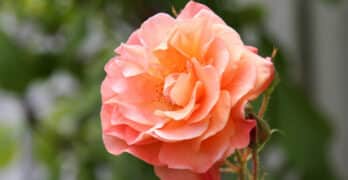
The poems of “Morpheus Dips His Oar” by Tamara Madison select a precise, raw assessment of what has shaped the poet’s life.
Poets and Poems: Trish Hopkinson and “A Godless Ascends”
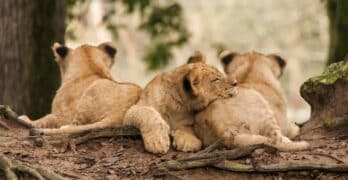
A Godless Ascends is Hopkinson’s first full-length poetry collection. She’s explaining where her poetry has come from and the entire collection seems to be moving toward this moment.
Poets and Poems: Sarah Dickinson Snyder and “To Eve”

In “To Eve: A Book-Length Poem,” Sarah Dickinson Snyder imagines the mind and emotions of Eve, using her as a lens for her own life.
Poets and Poems: Tina Kelley and “Field Guide to North American Words”

In “Field Guide to North American Words,” poet Tina Kelley uses unusual and obscure words to report on life, meaning, and understanding.
Poets and Poems: Arlene Demaris and “Instructions for Use”
“Instructions for Use” by Arlene Demaris includes poems expressing both tenderness and an edge, something very human and very real.
Poets and Poems: Christy Lee Barnes and “Commodore Rookery”
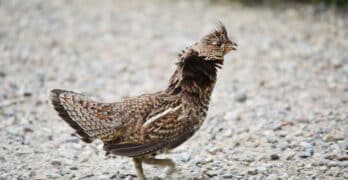
In her new chapbook, “Commodore Rookery,” Christy Lee Barnes uses poetry to navigate motherhood in unexpected ways.
Philip Freneau: Poet of the American Revolution
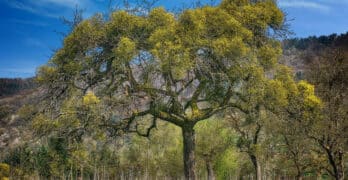
Philip Freneau, friend of James Madison and Thomas Jefferson, is known as the poet of the American Revolution.
Poets and Poems: Bradford Skow and “American Independence in Verse”

In “American Independence in Verse,” Bradford Skow draws upon historical documents for poems that illustrate the run-up to revolution.
Poets and Poems: David Livewell and “Pass and Stow”
In “Pass and Stow,” poet David Livewell describes the layers of people and events that together compose a life.
Sara Barkat Takes Us into “Otherside”

“Otherside” by Sara Barkat is a creative, imaginative science fiction novel telling the story of a young man caught in war, loss, and grief.
“The Boundless Deep”: Richard Holmes on the Young Tennyson

In “The Boundless Deep,” Richard Holmes shows how science influenced the early poems of Alfred, Lord Tennyson.
Poets and Poems: Fanny Howe and “This Poor Book”
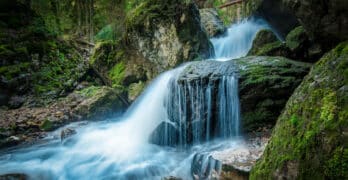
In her final poetry work, Fanny Howe accounted for her life by using her poetry collections as a biography and memoir.
The Overseas Trip Where Language Didn’t Matter
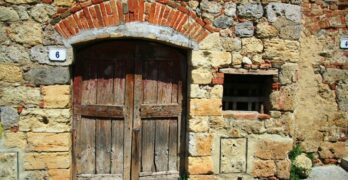
A mission trip to central Europe didn’t require knowledge of languages; instead, what was needed was music, menus, laughter, and silence.
Poets and Poems: Erin Murphy and “Swoon”

In “Swoon: New & Selected Poems,” Erin Murphy combines stories about a life with poems about poetry, showing life is poetry.
Poets and Poems: Diane Lockward and “The Color Wheel”
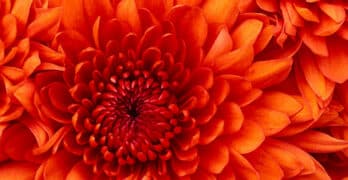
“The Color Wheel,” edited by Diane Lockward, shows how the use of color can amplify a poem and even exist as a poem.
Poets and Poems: Joanne Esser and “Nothing Is Stationary”
In “Nothing Is Stationary: Poems,” Joanne Esser reflects carefully and succinctly on the impermanence of life.