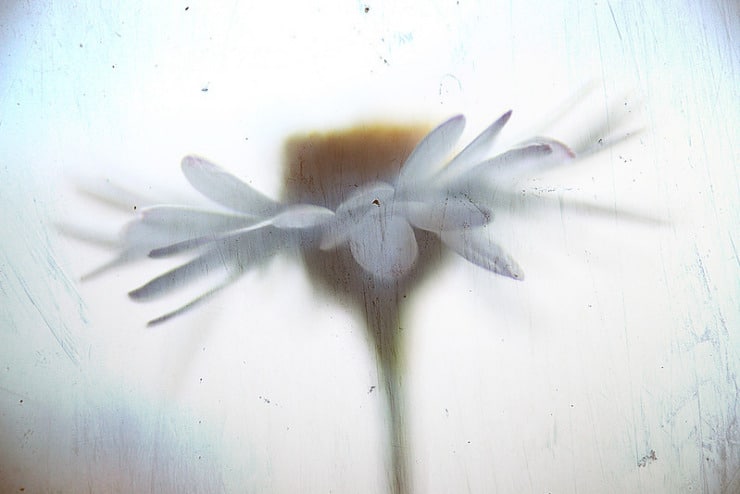
Rosemerry Wahtola Trommer finds the wonder the world.
Poet Rosemerry Wahtola Trommer starts her new poetry collection with an explanation of what inspired it. I can’t say I’ve read or heard an explanation quite like it. Her father, on his deathbed, “his eyes open but unseeing,” said a phrase, an incomplete sentence: “From our birth…to our death…the wonderment.”
In other words, all of it, all of life, is full of wonder. The great mountain vistas. The ocean sunsets. A baby’s laugh. But also, the unexpected death, the illness, the hard times, grief. All of it contains a sense of wonder. Visiting the place where her son died, which she wrote about in her previous collection, The Unfolding, and his grave.
In The Wonderment: Poems, published today, Trommer writes about some of the things that fill her with wonder. Someone fishing from a pier, like her father did. The move of a couple married 30 years. A conversation with an avocado and the dust bunnies under the bed. (Personally, I’ve never talked to an avocado. I have, however, had words with a battery-operated can opener that refuses to do its job.) Someone thinking you’re wearing a costume when you’re actually in your everyday clothes. The light from a firefly.
And she goes on, one poem of wonder after another. The amaryllis bulb sending forth its stalk and flower. Mudpuddling with her children (for the uninitiated, that’s coating yourself in mud). The meaning of a sigh. Sitting on the porch at night. Trommer even discovers wonder in playing in the dirt, also known digging potatoes.
Ode to Digging Potatoes
 Go play in the dirt, she said,
and tonight, though I call it
harvesting potatoes,
what I’m really doing
is “playing in the dirt,”
the quickest way I know
to recalibrate the soul.
The potatoes are a bonus, really,
though I say they are why I am here.
Each firm, red-skinned round
I pull from the earth is a small proof
of how things can grow in the dark—
the way a woman, too,
can grow when she forgets for a time
there is light.
I sift the cool soil through my fingers
as I pull my hands through the bed,
and I fall in love with this substance
made richer by what is dead,
this basis of all that lives,
this home for the kind of treasure
I honor now more than ever,
the growth that needs
darkness and time.
She writes with a simplicity and directness that holds your attention and keeps you reading. Wonder isn’t something hidden or having to be searched for; it’s right there in plain sight. You only have to look to find it.

Rosemerry Wahtola Trommer
In The Wonderment, Trommer writes of the familiar objects, events, and people that fill out lives, the things that we often overlook or take for granted. And she says stop; see them for what they are, the blessings of the everyday and what’s common to us all and see the wonder they contain.
Related:
Rosemerry Wahtola Trommer and The Unfolding.
Photo by Neal Fowler, Creative Commons, via Flickr. Post by Glynn Young.

How to Read a Poem uses images like the mouse, the hive, the switch (from the Billy Collins poem)—to guide readers into new ways of understanding poems. Anthology included.
“I require all our incoming poetry students—in the MFA I direct—to buy and read this book.”
—Jeanetta Calhoun Mish

- Poets and Poems: Rosemerry Wahtola Trommer and “The Wonderment” - September 8, 2026
- A Non-Personal Memory of Wendell Berry - September 3, 2026
- Poets and Poems: Jen Karetnick and “Organ Language” - September 1, 2026
Leave a Reply